








Whiteley secures $6 million CRC-P Grant for groundbreaking biofilm research targeting women’s health
Posted: November 23, 2026
Australian-led research partnership to tackle chronic urinary tract infections and develop innovative treatments for women and children.
Whiteley Corporation has been awarded a Cooperative Research Centres Projects (CRC-P) Round 19 Grant for a major research and commercialisation project targeting biofilms associated with chronic urinary tract infections (UTIs) and urinary catheters.
Valued at more than $6 million, including nearly $3 million in Australian Government funding, the project, titled The Biofilm Bullseye: Targeting Chronic UTIs and Urinary Catheters, brings together leading Australian research institutions and industry partners to develop innovative therapies for chronic and recurrent UTIs.
UTIs are among the most common medical conditions affecting women globally and can become recurrent and chronic due to persistent bacterial biofilms. Urinary catheters are also a significant source of infection, with biofilm formation potentially causing treatment failure, catheter blockage and serious complications.
Whiteley Corporation has more than 30 years’ experience researching biofilm disruption technologies. Since 2018, the company has worked closely with the University of Sydney and the Sydney Infectious Diseases Institute on technologies targeting chronic and catheter-associated UTIs.
The project aims to advance novel treatments capable of removing biofilms from urinary catheters and addressing bacterial biofilms within the urinary tract. With antibiotic effectiveness increasingly challenged, these technologies have the potential to provide important new treatment options and improve patient outcomes.
The research partnership includes the University of Sydney, Sydney Infectious Diseases Institute, University of New South Wales, University of Newcastle and Sydney Children’s Hospitals Network. Anchor Plastics, an Australian family-owned business, will also contribute expertise in sustainable packaging and therapy delivery solutions.
“This is an important opportunity to address a significant and often under-researched women’s health issue. Biofilms are a major contributor to the persistence of chronic UTIs, and our technologies have the potential to make a meaningful difference to patients’ lives,” said Dr Whiteley.
The grant will also strengthen Australia’s research and manufacturing capabilities through PhD training, support for early-career researchers and industry collaboration. Importantly, the project will support the validation of therapies for commercial-scale manufacturing at Whiteley’s new Human Therapeutic Plant in Tomago, regional NSW, creating opportunities for regional employment and economic growth.
About UroBioTx
UroBioTx is a specialist research division of Whiteley Corporation focused on advancing urinary health. Collaborating with clinical urology and scientific researchers, UroBioTx aims to address recurrent urinary tract infections (UTIs), with a focus on challenges such as bacterial biofilms and antibiotic resistance.
About Whiteley Corporation
Established in 1933, Whiteley Corporation is an Australian-owned manufacturer specialising in infection prevention, medical device reprocessing, medical hand hygiene and professional hygiene solutions. Combining decades of research and manufacturing expertise, Whiteley is committed to innovation and improving healthcare outcomes.
Media enquiries:
Kasey Halam – Whiteley Marketing
Kasey.Halam@Whiteley.com.au
Stay up to date on the latest news & developments.
At Whiteley, we work within fast paced, dynamic and ever evolving industries. See our latest news on research, collaborations, events, product advancements and updates from the various industry sectors we work.
The Standards Australia journey in Sterilisation – By Greg S Whiteley

Whiteley wins NSW Business of the Year Award 2024!
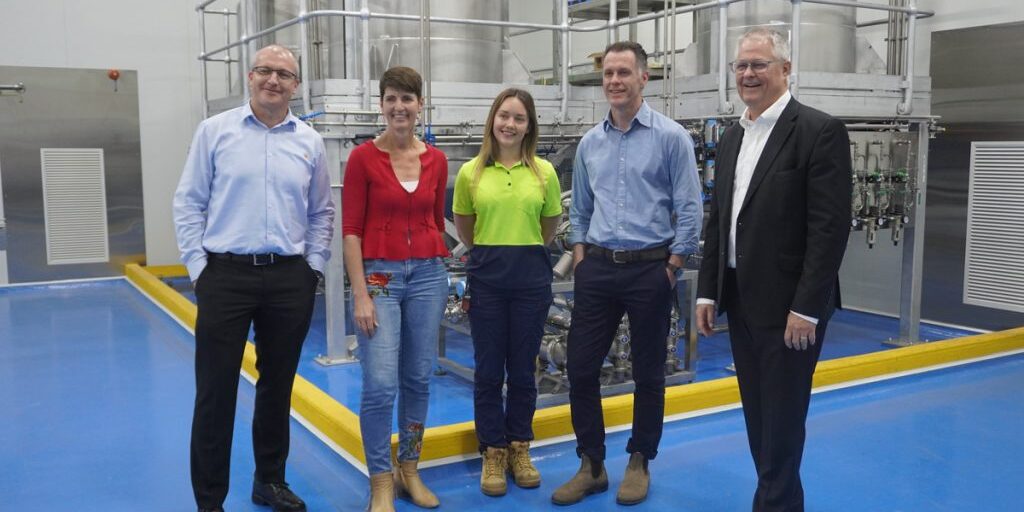
Premier Chris Minns Visits Whiteley’s $25 Million Human Therapeutics Plant in Tomago
Whiteley secures $6 million CRC-P Grant for groundbreaking biofilm research targeting women’s health